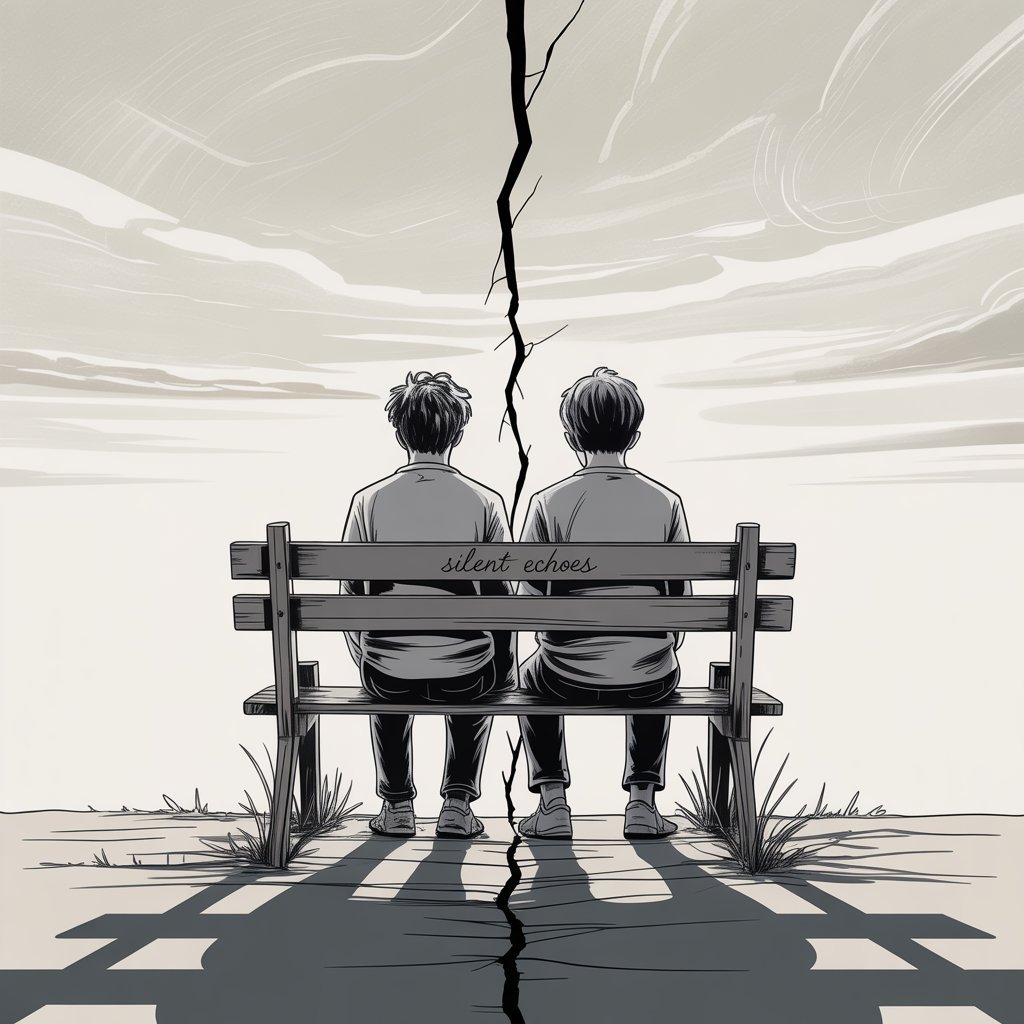
Holding Your Breath While Reading the News 

There are some stories that you can read and move on from. Then there are the stories that seem to follow you after you close the article. The recent coverage surrounding the Cornell case has been one of those stories for many people. The case involves allegations that a Cornell student was sexually assaulted by seven fraternity members in 2024. The story has since expanded beyond the seven men named in the lawsuit, with attention focused on a fraternity group chat that reportedly included 57 members. The criminal investigation has now been reopened, and the university is facing continued scrutiny over how the allegations were handled. It is important to be clear that the allegations remain allegations, and the accused have not been convicted.

But there is another part of this story that deserves attention: what happens to the people reading it. Because for a survivor of sexual assault, abuse, harassment, domestic violence, or another form of interpersonal violence, reading a headline about someone else's experience can sometimes make your own history feel very close again. You might not know the person involved. You might never have been anywhere near Cornell. Your experience may have looked completely different. You may have never told anyone what happened to you. You may have spent years working through it. None of that means you are somehow supposed to be unaffected.

There is no internal qualification system that says, “I didn't get hurt badly enough for this to trigger me.”

Trauma does not work that neatly. Sometimes it is a detail in the story. Sometimes it is the language being used. Sometimes it is the sheer volume of coverage. Sometimes it is seeing strangers debate whether someone's experience was “really” assault. Sometimes it is recognizing something about yourself in someone else's story that you haven't thought about in years. And sometimes you don't even know what did it. You just know that you feel different after reading it.

That matters.

We often talk about media as though it is simply information that we consume. But information can move us. It can make us angry. It can make us hopeful. It can make us feel connected to something bigger than ourselves. It can also bring us somewhere we were not prepared to go. The media has enormous power to move people. The question is what direction that movement takes.

Good reporting can bring attention to issues that have been ignored. It can give language to experiences people have struggled to name. It can expose institutional failures and create pressure for change. RAINN has specifically emphasized that responsible reporting can help the public understand sexual violence while also cautioning that the way these stories are framed can cause harm. We have already seen the power that this particular story has had. RAINN reported that calls to the National Sexual Assault Hotline increased by 73% in the week following the renewed attention around the Cornell case, with some days reaching more than double the usual volume. That means the story did not simply stay on people's screens. It moved people to reach out. But movement doesn't always mean action. Sometimes the healthiest thing you can do is close the article.Turn off the television. Mute the conversation. Stop reading the comments. Take a break from social media.

And no, that is not a cop-out.

Choosing not to consume every detail of a traumatic story does not mean you don't care. Protecting your own nervous system does not mean you are ignoring the people at the center of the story. You can care deeply about sexual violence and still decide that today is not the day you can take in another headline about it. Those things can exist together.

You can believe survivors deserve to be heard while also deciding that you do not need to read every graphic detail. You can want accountability while taking a break from the discourse. You can care about what is happening in the world and still recognize that your own recovery deserves some space, too.There is no prize for being the most informed person in the room about something that hurts you. Sometimes taking care of yourself is not turning away from the issue. It is recognizing that you are a person inside the issue, too. And maybe that is part of what we need to remember when these stories become headlines, hashtags, arguments, and think pieces: there are people reading them who have their own stories that never made the news.Some of them are still healing. Some of them are doing really well and get unexpectedly knocked sideways by a headline. Some are just beginning to understand what happened to them. Some have never called it trauma at all. And some are simply having a day when they cannot carry one more thing.

You are allowed to know when that day is yours. Taking care of yourself does not make you indifferent. It makes you human. And sometimes protecting your own peace is not stepping away from the work,it is giving yourself enough space to come back to it when you have the capacity.

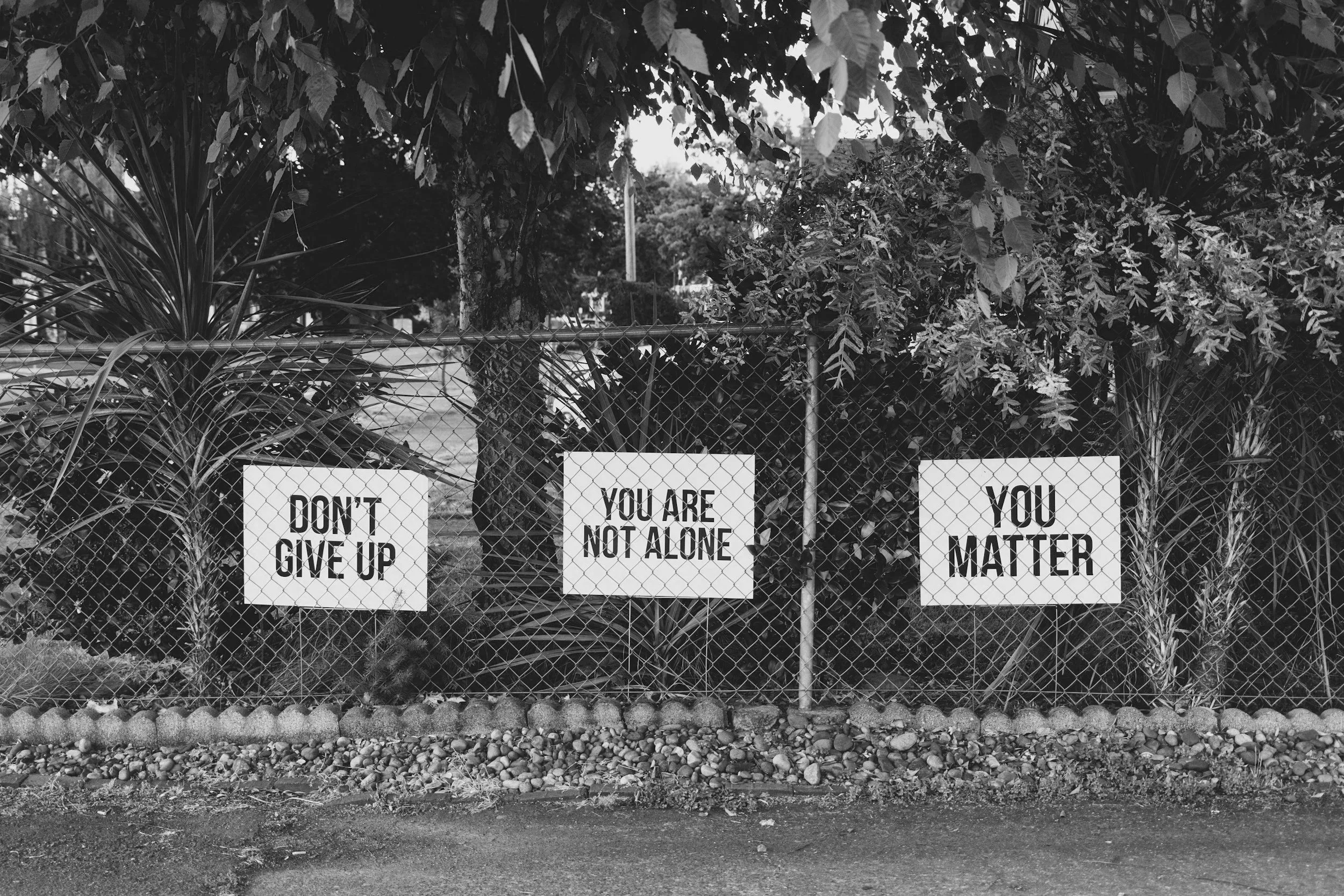
Are You Actually Resting, or Are You Just Not Working?

When was the last time you actually rested? Not just, “I didn't go to work today,” or, “I spent three hours scrolling on my phone,” but really rested. I think a lot of us have forgotten what that even looks like.

We live in a world that constantly asks us to do more. Work more, accomplish more, answer the email, clean the house, respond to the text, make the appointment, finish the assignment, run the errands, and somehow still have enough energy left over to be present for the people we care about. When we finally get a moment where nobody is asking anything from us, we often fill it with something else. We scroll, binge-watch, catch up on things, worry about tomorrow, or make a mental list of everything we should be doing instead.

Technically, we're not working. But are we actually resting?

I don't think rest has to mean sitting completely still with an empty to-do list. In fact, I think sometimes we get so caught up in the idea of “rest” that we accidentally turn it into another thing we're supposed to be good at. Creation is not the enemy of relaxation, though sometimes the mode of creating can be.

There is something different about intentionally making something simply because you enjoy the experience of making it. Maybe you're painting, cooking, gardening, crafting, rearranging your space, baking, playing music, or putting together a meal that took absolutely no culinary skill but somehow still feels like an accomplishment. Maybe what you created is a beautiful piece of art. Maybe it's a scrapbook. Maybe it's a cozy corner in your home. Or maybe it's a Hot Pocket. And honestly? That counts too.

There can be something deeply satisfying about feeling your hands create something and then getting to experience the result. You took something that didn't exist five minutes ago and made it exist. You participated in the process. You got to choose something, do something, and experience the little satisfaction that comes with seeing it through. That's not necessarily productivity. Sometimes, that's play. Sometimes, that's creativity. Sometimes, that's rest.

The difference is intentionality. Are you making the Hot Pocket because you genuinely want a Hot Pocket and the experience sounds comforting? Or are you standing in the kitchen trying to accomplish one more thing while mentally running through everything else you haven't done today? The activity itself isn't always what determines whether something is restorative. How we are engaging with it matters, too.

Sometimes We're Resting. Sometimes We're Numbing.

Here's where it gets a little uncomfortable. Sometimes what we call rest is actually avoidance. We might scroll because we're overwhelmed, sleep because we don't want to think, or stay busy because slowing down would give our feelings enough room to catch up with us. And sometimes we're doing absolutely nothing because our bodies and brains are genuinely exhausted.

Those things can look remarkably similar from the outside, which is why I don't think the answer is to shame ourselves for how we spend our downtime. Instead, it can be helpful to get curious. How do I feel after this? Do I feel more settled, connected, energized, or like myself? Or do I feel just as overwhelmed as I did before, only now I've lost two hours to my phone and somehow feel guilty about that, too? There isn't always a simple answer, and sometimes what we need changes from day to day. But noticing the difference can be an important first step.

You Don't Have to Earn Rest

This might be the part we need to hear the most: you do not have to finish everything before you're allowed to rest. There will always be another email, another load of laundry, another assignment, another appointment, and another thing on the to-do list. If rest only happens once everything is finished, you may never get to rest.

Rest isn't a reward for being productive enough. It's part of being human.

Sometimes the most intentional thing you can do is recognize that you've reached your limit before your body has to force you to stop. Sometimes that means sleeping. Sometimes it means getting outside. Sometimes it means sitting quietly. Sometimes it means making something with your hands. Sometimes it means making yourself a Hot Pocket and enjoying the experience of it.

The next time you have a little space in your day, instead of immediately asking yourself, “What should I do?” try asking, “What do I need?” Maybe the answer is rest. Maybe it's movement, connection, quiet, creativity, or something that makes you feel a little more like yourself. The goal isn't to find the perfect way to relax. It's to become more intentional about noticing what actually helps you feel restored.

Because sometimes rest looks like doing nothing.

And sometimes rest looks like making something.

You don't have to be “productive” to deserve a pause.

By Izzy Padgett – Graduate Student Intern

Maybe You Don’t Have to Have It All Figured Out First

There are a lot of reasons people put off therapy.

Sometimes it’s because life is busy and there never seems to be a good time to start. Sometimes we tell ourselves we should figure things out on our own first. Maybe once work settles down, the relationship gets sorted out, the move is over, or we have a better idea of what is actually going on with us, then we’ll reach out.

There’s also the other side of that.

You may know that you’re struggling, but because your life isn’t completely unmanageable, you wonder if you really “need” therapy. You’re still going to work, taking care of your responsibilities, showing up for the people in your life, and getting through the day. Maybe things are hard, but they don’t feel hard enough to justify asking for help.

Both ways of thinking can leave us in the same place: waiting.

The truth is, therapy doesn’t have to be something you turn to only when things have reached a crisis point. You also don’t need to arrive with everything figured out.

You can come to therapy because you know something feels different, because you’re moving through a transition, because you keep finding yourself in the same patterns, or simply because you want a space to better understand yourself.

Sometimes you know exactly what you want to work on. Sometimes you just know that you don’t want to keep feeling the way you’ve been feeling. Both are valid places to begin.

Therapy can also look different at different points in our lives.

For some people, a few months of support can make a meaningful difference while navigating a particular transition or difficult season. For others, therapy becomes a space they return to as life changes.

There can be something valuable about having someone who knows your story and can understand where you are now in the context of where you’ve been. You don’t have to start from the beginning every time life gets complicated.

And therapy doesn’t have to be reserved for the complicated parts.

There is something really meaningful about having a space where you can talk about the things that are difficult, but also the things that are going well.

The new relationship.

The career change.

Becoming more comfortable with who you are.

Setting a boundary you’ve struggled with for years.

Figuring out what you want next.

Sometimes having someone walk alongside you means having support through the hard parts, and sometimes it means having someone there to recognize the growth and joy with you.

Maybe you’ve been waiting for the right time to start therapy.

Maybe you’ve been waiting until things are bad enough.

Maybe you’ve been waiting until you can explain exactly what you need help with.

But if we wait for everything in life to be “right” before we reach for support, we may find ourselves waiting forever.

We live in the human condition, and being human means that things change.

Our relationships change. Our circumstances change. We change.

There will always be another transition, another question, another season we’re learning how to navigate.

That doesn’t mean something is wrong with us; it means we’re alive and moving through a life that is constantly becoming something new.

Maybe therapy isn’t about waiting until life is finally right.

Maybe it’s about having someone alongside you while life keeps changing, and while you do, too.

Don’t wait until you need help with the change. Let yourself have support through it.

By Izzy Padgett – Graduate Student Intern

Yes, You Can Sit on the Floor in Therapy

Let’s talk about something that may sound a little silly but actually says a lot about how you show up in therapy: where you sit.

Therapy offices are generally pretty comfortable for a reason. We have the cozy chairs. We have couches. We have pillows. We might have a blanket or two sitting around because, honestly, nobody should have to process their entire life while sitting in a chair that feels like it belongs in a waiting room at the DMV.

But what if the chair isn’t where you want to be?

What if you think better when you’re moving? What if you need something in your hands while you talk? What if you want to hold a pillow, bring a snack, sit cross-legged on the floor, or fidget your way through a difficult conversation?

Then let’s do that.

Especially for people who are neurodivergent, the idea of what it means to “sit appropriately” or “pay attention” can follow us into spaces where it doesn’t actually need to. But you don't have to be neurodivergent to have preferences about how you feel most comfortable. Maybe you focus better with your hands busy. Maybe sitting on the floor helps you feel grounded. Maybe having something to snack on makes a long conversation feel a little more manageable. Maybe you simply have a really good relationship with the floor.

Whatever the reason, therapy should have room for it.

You also don't have to show up to therapy as the perfectly composed version of yourself. You don't need to organize your thoughts into a neat little presentation before you walk through the door. You can ramble. You can pause. You can say, “I don't know how to explain this.” You can change your mind halfway through telling the story. You can bring notes. You can come in with seventeen thoughts that seem completely unrelated and let us figure out what connects them.

The goal isn't to perform therapy correctly. The goal is to have a space where you can actually be yourself.

And that goes both ways.

At Space Between, we believe therapists should be able to show up authentically, too. We aren't asking you to be a perfectly polished human while we sit across from you pretending we have everything figured out. Sometimes being present with a client means sitting in a chair and listening. Sometimes it means grabbing a fidget. Sometimes it means laughing together. And sometimes, if you’re having a particularly good floor day, I might join you down there.

Because therapy is a relationship, and relationships work best when the people in them are allowed to be real.

So bring the fidget ( or pick from the basket of ours ) . Bring the snack. Bring the pillow. Bring the notes, the tangled thoughts, the nervous energy, the awkward silence, and whatever else helps you feel like yourself.

And if you need some floor time?

There’s room for that here, too.

By: Izzy Padgett

Graduate Student Intern @ SBCS

Therapeutic Modalities | Finding the Right Path for Healing

Therapeutic Modalities | Finding the Right Path for Healing

If you are navigating the world of therapy, the sheer number of approaches can feel overwhelming. You might search for “the best therapy for anxiety,” “trauma-informed care,” or “couples counseling in Baltimore,” hoping to find a modality that truly fits your needs. But what are therapeutic modalities, and how do they solve life’s real problems?

Therapeutic modalities refer to methods therapists use to help clients heal, grow, and manage mental health challenges.

What Is Adult Sibling Hatred Syndrome?

What Is Adult Sibling Hatred Syndrome?

Let’s be clear right off the bat: “Adult Sibling Hatred Syndrome” isn’t an official diagnosis you’ll find in the DSM or medical journals. It’s more of a descriptive term people use to explain the deep, often toxic hostility that can exist between adult siblings. It's not just "we don't get along." It's a persistent, painful dynamic that can poison families for decades.

7 Steps to Fix a Damaged Sibling Relationship and Rebuild Your Bond

7 Steps to Fix a Damaged Sibling Relationship and Rebuild Your Bond

Sibling relationships can be among the most complex and emotionally charged connections in our lives. When these bonds become damaged, the pain often cuts deep, especially when it lingers for years. But no matter how long it’s been or how broken things feel, there is a path toward healing. Here’s how to begin the process of fixing a fractured sibling relationship with care, courage, and clarity.

Babygirl (2024) Explores the Psychology of Unconventional Relationships

Babygirl (2024) Explores the Psychology of Unconventional Relationships

In 2024, Babygirl hit theaters, capturing audiences with its raw exploration of relationships that defy societal norms. This movie isn't just entertainment; it’s a deep dive into the emotional complexities that drive us to seek connection, sometimes in unconventional ways.

As a therapist, I couldn’t help but view the film through the lens of mental health and emotional dynamics. Let’s unravel the themes of Babygirl and explore what it reveals about the human need for love, validation, and the boundaries we’re willing to cross to achieve them.